
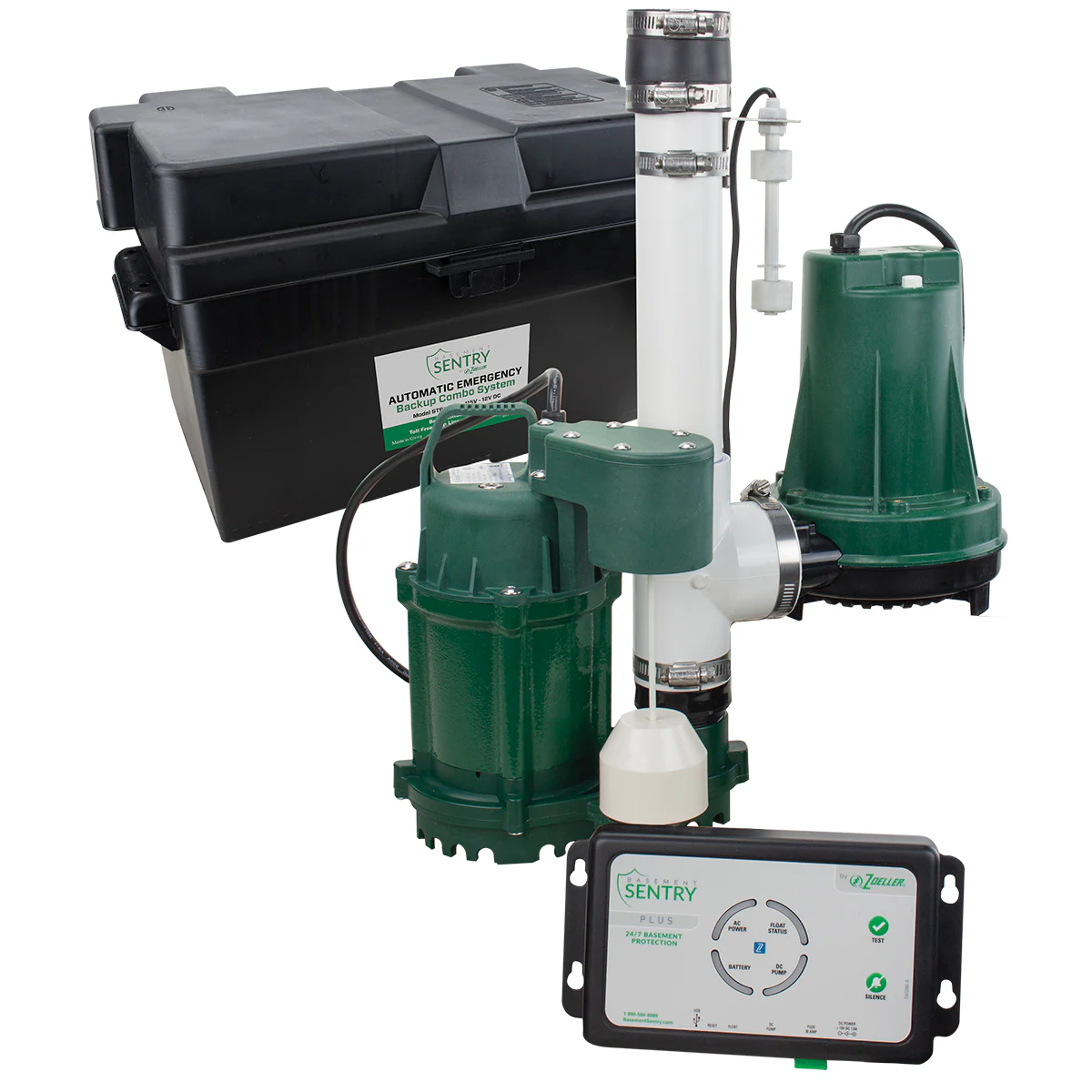
A sump pump is a crucial component in many homes. It helps prevent basement flooding and the subsequent water damage.
However, like any mechanical device, a sump pump can fail. When it does, the consequences can be severe.
Basement flooding can lead to costly repairs and health issues. Wet carpets, mold growth, and structural damage are just a few potential problems.
This article aims to help homeowners prevent sump pump failure. It provides essential tips on sump pump maintenance and highlights the importance of professional services.
Companies like R & S Restores offer water restoration services that can be invaluable in the event of a sump pump failure.
By following the advice in this article, you can protect your home from water damage and ensure your sump pump operates effectively.
Understanding why sump pumps fail is crucial for prevention. These devices are lifelines for many homeowners, especially those with basements.
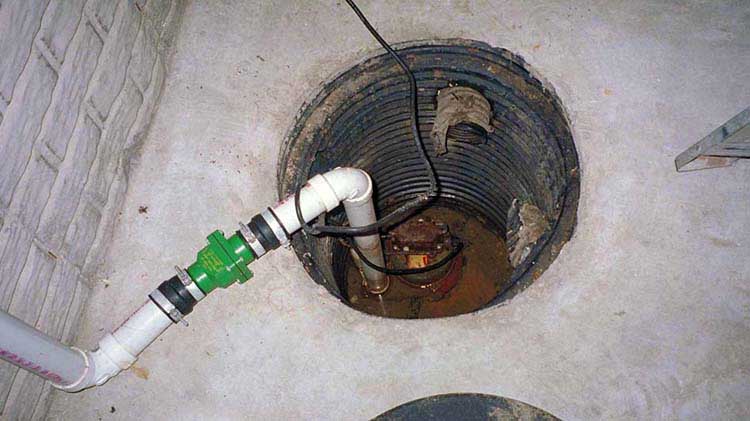
A sump pump keeps water at bay, guarding against basement flooding. It collects and disposes of excess water that accumulates in a sump basin.
Yet, it’s common for homeowners to overlook their sump pumps. Neglect can lead to failure when you least expect it.
Issues like power outages and mechanical malfunctions can strike suddenly. Improper installation also contributes to unforeseen problems.
Being aware of these potential pitfalls allows homeowners to take proactive measures. Understanding your pump’s role and its operational limits fosters
Sump pumps serve as the first line of defense against water accumulation. They are integral in preventing water from damaging a home’s foundation.
These pumps are typically installed in basements, often where water collects first. By redirecting water, they protect finished basements from costly water damage.
Many homeowners may not give sump pumps much thought until they fail. However, their role in home safety is paramount.
Several factors can lead to sump pump failure. Understanding these can help you mitigate risks. Below are common culprits:
Power outages: Most pumps rely on electricity; an outage halts their operation.
Switch problems: Faulty or jammed switches prevent pumps from activating.
Improper installation: Incorrect setup can hinder pump efficiency.
Lack of maintenance: Clogged pumps or blocked discharge lines cause failures.
Aging components: Mechanical wear over time reduces reliability.
Addressing these causes involves regular inspections and maintenance. Awareness also includes recognizing warning signs early. Regular checks can prevent a small issue from becoming a major problem.
At R & S Plumbing, we’re more than just a plumbing company — we’re your local team committed to fast response, honest pricing, and lasting results. Whether it’s a small leak or a major sewer backup, you can count on us for reliable service 24/7.
Regular maintenance is the key to preventing sump pump failure. A well-maintained pump is more reliable and less likely to cause unexpected issues.
Homeowners should create a maintenance schedule, checking their sump pumps at least every three months. This routine will help catch any potential problems early.
Pay attention to unusual noises or vibrations. These signs often indicate mechanical wear or parts needing replacement.
Debris in the sump pit can impede pump performance. Ensure that the pit is clear of anything that might block the pump.
Don’t overlook the discharge line. Inspect it for leaks or clogs to maintain proper water flow.
Keeping a log of maintenance activities can help track your sump pump’s health and plan future upkeep.
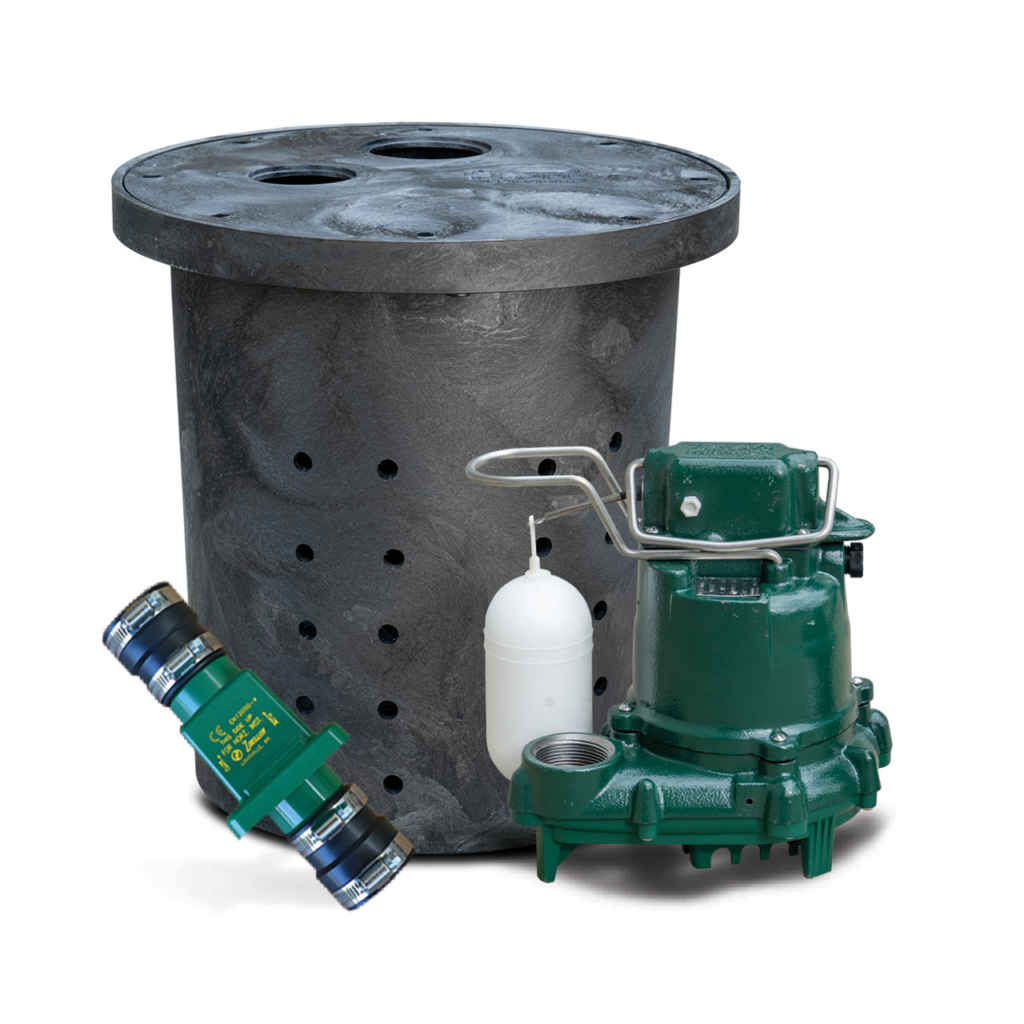
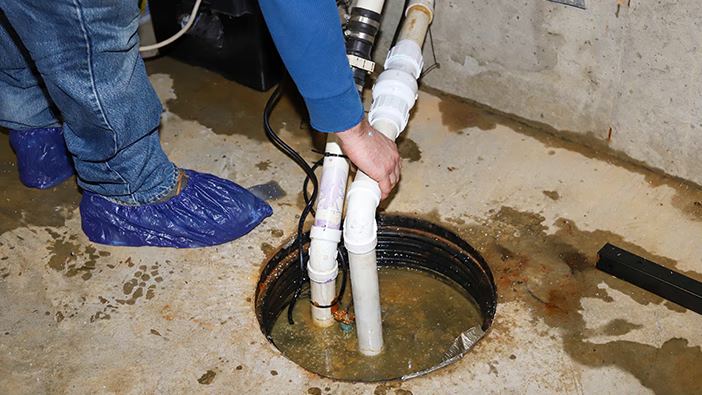
Regular inspections help ensure your sump pump runs efficiently. Aim to check the pump at least quarterly.
During inspections, clear away any visible dirt or debris from around the pump. Debris can obstruct operation and cause the pump to overheat.
In addition to visual checks, listen for any unusual noises. Unfamiliar sounds may signal a problem that requires professional attention.
Testing Your Sump Pump
Frequent testing confirms your sump pump’s readiness. Testing is easy and doesn’t take much time.
To test, pour water into the sump basin until the float activates the pump. Ensure the pump switches on and effectively disposes of water.
Monitor the pump’s performance and listen for any irregular sounds. If the pump doesn’t work as expected, it might need servicing or repairs.
Taking advanced measures enhances your sump pump’s reliability. These steps offer added security against unexpected failures. Consider exploring backup power solutions. They keep your sump pump running even when the electricity is out.
Water alarms can alert you to potential problems early. Monitoring systems provide peace of mind through constant updates.
Engage professional inspection services for expert assessments. Pros like R & S plumbing of Novi Mi can spot issues that might go unnoticed by untrained eyes. Invest in sump pump innovations, like smart technology integration. These advancements offer real-time monitoring and alerts on your device. Preparing your sump pump area with advanced measures minimizes risks. A little extra effort can save a lot of trouble in the future.
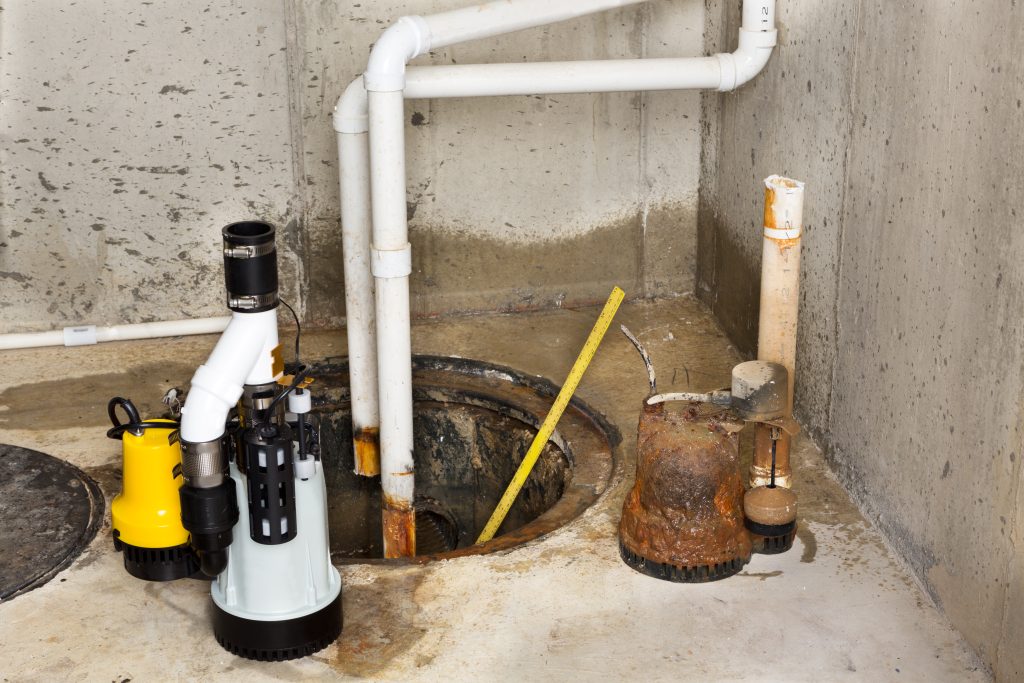
Sump pump failure is a preventable issue with the right steps. Regular maintenance and vigilance are key to avoiding basement flooding.
By staying proactive, homeowners can reduce the risk of water damage significantly. Regular inspections and understanding the sump pump’s workings are essential.
Ultimately, investing in professional services like R & S Restores can further safeguard homes. Their expertise in water restoration ensures swift and effective responses, maintaining a safe and dry basement environment.